Learning Objectives
By the end of this course, participants will be able to: • Define vicarious trauma and differentiate it from burnout and compassion fatigue • Recognize how countertransference impacts clinical and ethical decision-making • Identify early signs of cumulative clinical impact in themselves • Understand the ethical risks of unattended therapist distress • Apply strategies for self-awareness, regulation, and consultation in practice • Integrate legal considerations related to boundary erosion, complaints, and liability
About your Instructors
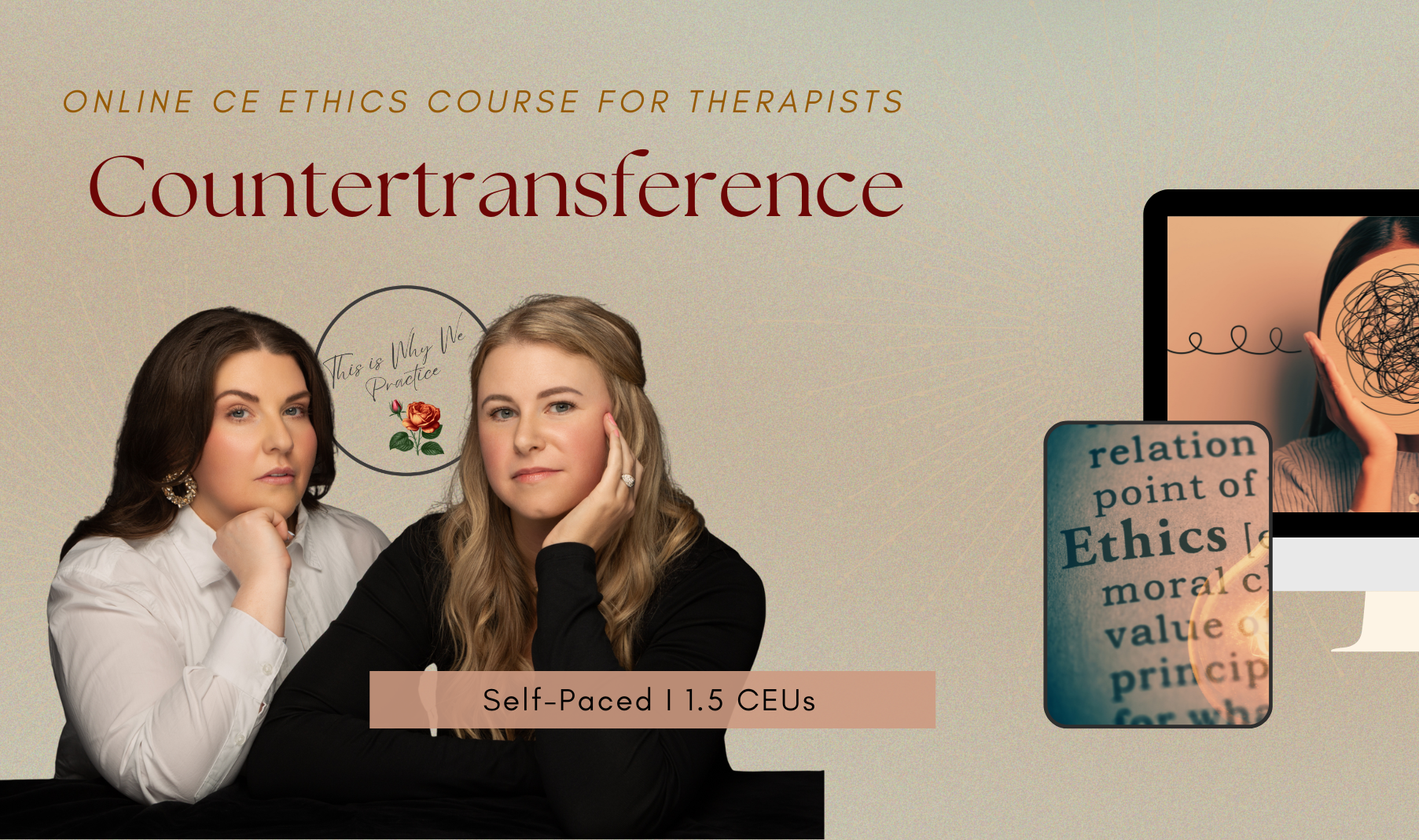
Becky Palmer, BSP, MACP, RCC Becky is a Registered Clinical Counsellor and Clinical Lead at a large Group Practice. With a background in pharmacy, military and counselling, she focuses on ethical practice, documentation, and supporting clinicians in navigating complex, real-world clinical situations with clarity and confidence. ⸻ Betti White, JD Betti is a family lawyer with experience in high-conflict legal matters, including separation, parenting disputes, and issues that intersect with mental health. She brings a practical legal lens to clinical work, helping therapists understand how documentation, boundaries, and decision-making can be interpreted in legal and regulatory contexts.
Course Curriculum
-
1
-
(Included in full purchase)
Therapists' Emotional Changes
-
(Included in full purchase)
-
2
-
(Included in full purchase)
Linking Emotions to Ethics
-
(Included in full purchase)
-
3
-
(Included in full purchase)
Strategies for Managing Avoidance
-
(Included in full purchase)
-
4
-
(Included in full purchase)
Mitigating Risks through Awareness
-
(Included in full purchase)
-
5
-
(Included in full purchase)
Creating an Ethical Framework
-
(Included in full purchase)
This work changes us
And when that impact goes unexamined, it doesn’t just affect you personally, it shows up in your boundaries, your decisions, and your clinical work. This course gives you a way to understand that impact, work with it, and stay grounded in your practice. Coming September 2026
$125.00
Disclaimer
This course is intended for informational and educational purposes only. It does not constitute legal advice, clinical advice, or formal supervision. Participation in this course does not create a supervisory, clinical, or legal relationship. For matters requiring legal counsel, clinical judgment, or professional supervision, participants are encouraged to consult a qualified lawyer, clinical supervisor, or regulatory body. We are not affiliated with any regulatory college, association, or governing body. The views expressed in this course are solely our own and reflect our personal and professional perspectives. While we aim to align with ethical best practices, participants should always refer to their own professional standards, codes of ethics, and licensing requirements when applying course content to their work.