
Learning Objectives
By the end of this course, participants will be more able to: • Recognize when client concerns may have physiological or hormonal contributors while remaining within scope of practice. • Use ethical, scope-appropriate language when discussing women’s health concerns. • Identify when referral or interdisciplinary collaboration may be beneficial. • Avoid common ethical pitfalls and scope creep when supporting clients navigating hormonal or health-related changes. • Feel more confident navigating mind-body conversations in clinical practice.
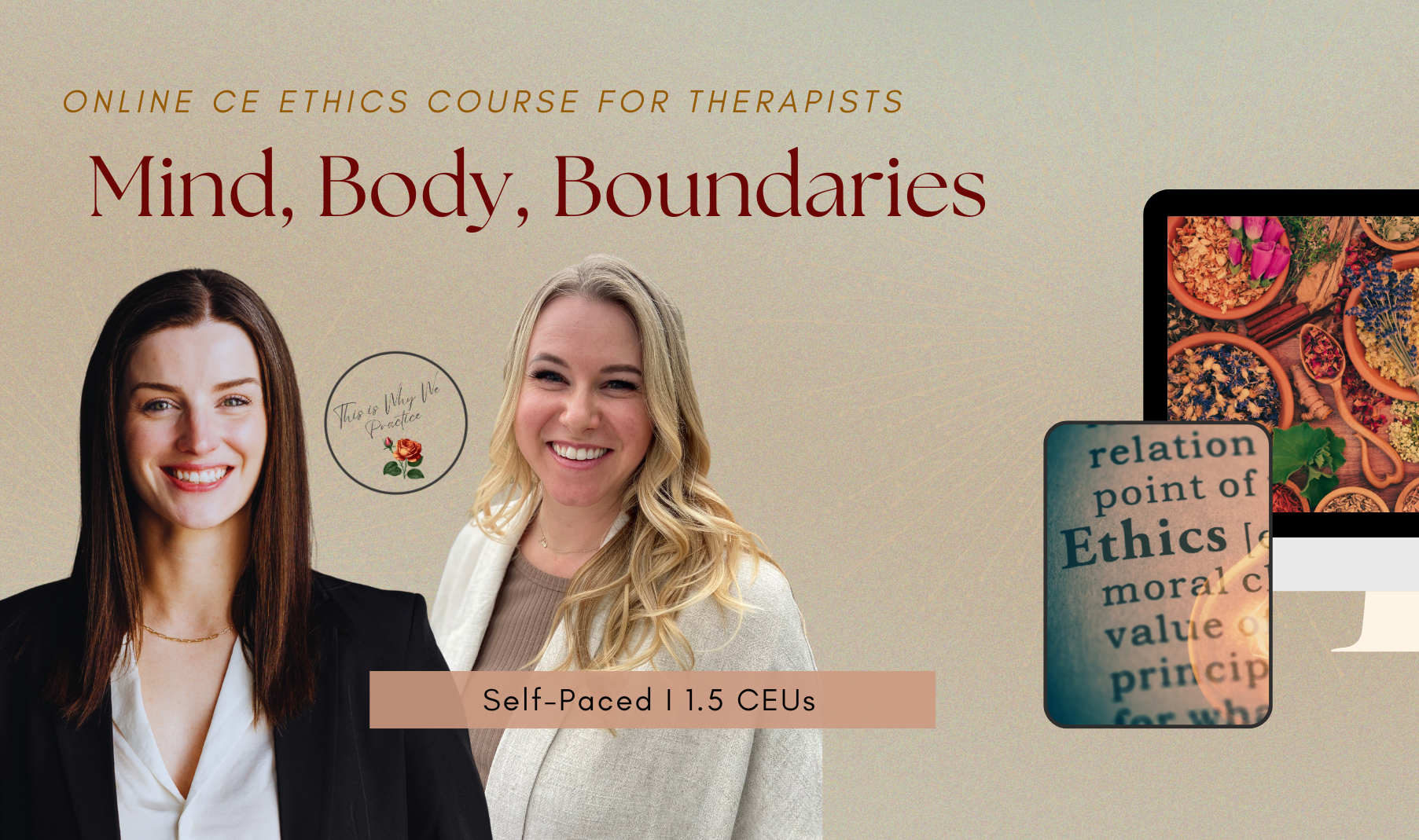
Meet Your Instructors
Dr. Rachelle Peltier, ND Dr. Peltier is a naturopathic physician at Okanagan Integrative Health, specializing in women’s health, hormones, and fertility. She takes an integrative, root-cause approach, helping clients better understand their bodies and supporting sustainable, individualized care. ⸻ Becky Palmer, BSP, MACP, RCC Becky is a Registered Clinical Counsellor and Clinical Leader. With a background in pharmacy, military and counselling, she focuses on ethical practice, documentation, and helping therapists navigate real-world clinical situations with clarity and confidence.
Course Curriculum
-
1
-
Course Description Free preview
-
Learning Objectives Free preview
-
-
2
-
(Included in full purchase)
Learning Points
-
(Included in full purchase)
-
3
-
(Included in full purchase)
Learning Points
-
(Included in full purchase)
-
4
-
(Included in full purchase)
Learning Points
-
(Included in full purchase)
-
5
-
(Included in full purchase)
Learning Points
-
(Included in full purchase)
-
6
-
(Included in full purchase)
Learning Points
-
(Included in full purchase)
-
7
-
(Included in full purchase)
Learning Points
-
(Included in full purchase)
-
8
-
(Included in full purchase)
Quiz for CE Credit
-
(Included in full purchase)
Ready to feel more clear in these conversations?
If you’ve ever felt unsure where the line between mental and physical health is, this is your opportunity to get grounded. You don’t need to have all the answers. But you do need to know how to respond in a way that is ethical, supportive, and within your scope. Coming in June 2026
$125.00
Disclaimer
This course is intended for informational and educational purposes only. It does not constitute legal advice, clinical advice, or formal supervision. Participation in this course does not create a supervisory, clinical, or legal relationship. For matters requiring legal counsel, clinical judgment, or professional supervision, participants are encouraged to consult a qualified lawyer, clinical supervisor, or regulatory body. We are not affiliated with any regulatory college, association, or governing body. The views expressed in this course are solely our own and reflect our personal and professional perspectives. While we aim to align with ethical best practices, participants should always refer to their own professional standards, codes of ethics, and licensing requirements when applying course content to their work.